Asian Pilates is emerging as one of the most promising methods for women over 50 looking to reduce belly fat and rebuild core strength. By merging traditional Pilates with the principles of Chinese medicine, this practice targets not just muscles but the body's entire energy system — with results that go well beyond aesthetics.
After 50, the body changes in ways that no amount of willpower alone can reverse. Muscle mass drops, hormones shift dramatically during menopause, and belly fat tends to accumulate in ways it never did before. Standard workouts often feel either too brutal or simply ineffective. And that's precisely where Asian Pilates steps in.
Highlighted by Marie Claire UK, this emerging discipline is drawing attention from both fitness coaches and practitioners of integrative medicine. It's not a fad wrapped in exotic packaging. It's a structured, accessible method built on two well-established systems — and the combination turns out to be surprisingly powerful.
Asian Pilates merges two distinct disciplines
Traditional Pilates has long been praised for its ability to strengthen the deep abdominal muscles without the joint strain of high-impact training. Melissa Leach, a sports coach cited by Marie Claire UK, points to its well-documented benefits: improved core strength, better posture, enhanced balance and coordination, all achieved without putting excessive pressure on the body.
But Asian Pilates goes further. It integrates the philosophy of Chinese medicine, specifically the concept of the meridian system — the network of energetic pathways that, according to this tradition, runs through the entire body. The idea is to adapt Pilates sequences so they don't just work the muscles mechanically, but also stretch or activate specific meridians.
In Chinese medicine, meridians are invisible channels through which vital energy (qi) flows. Each meridian is linked to a specific organ and governs particular physical and emotional functions. Stimulating them through movement is thought to restore balance and support overall health.
Ada Ooi, an integrative Chinese medicine practitioner, describes the benefits as operating on multiple levels simultaneously: muscular precision, energy flow, emotional clarity, and holistic resilience. This is what distinguishes Asian Pilates from a regular mat session. The intention behind each movement shifts the experience entirely.
The meridians that matter most for belly fat after 50
Two meridians are particularly central to this practice. Lateral side bends target the Gallbladder meridian, which runs along the sides of the body and is associated with decision-making, flexibility, and the release of stagnant energy. Spinal articulations — slow, deliberate movements that mobilize each vertebra — activate the Kidney meridian, linked in Chinese medicine to vitality, hormonal balance, and deep reserves of energy.
For women going through menopause, the relevance of the Kidney meridian is especially significant. Chinese medicine considers the kidneys the seat of foundational energy, and their decline is directly associated with the hormonal changes that accelerate aging. Targeting this meridian through movement isn't just symbolic — it connects to a broader, centuries-old framework for supporting the body through this transition.
Why this method works especially well after 50
The physical changes that come with aging after 50 create a very specific challenge. Hormonal fluctuations during menopause redistribute fat toward the abdomen, while the natural loss of muscle mass makes it harder to maintain a toned midsection. High-intensity workouts can help, but they also increase injury risk and are often difficult to sustain long-term.
Asian Pilates sidesteps these issues entirely. Because it operates without high-impact movements, it's gentle on joints and tendons — which become more vulnerable with age. But "gentle" doesn't mean ineffective. According to Ada Ooi, the integration of energetic principles actually deepens the physical results: practitioners report stronger concentration during sessions and more pronounced outcomes compared to conventional Pilates alone.
This aligns with what we know about mind-body connection in exercise. When attention is fully engaged — when each movement carries a specific intention — muscular recruitment improves. The body works smarter, not just harder. And for women navigating the complex hormonal shifts that come with aging, that kind of efficiency matters.
- Targets deep abdominal muscles without joint stress
- Supports hormonal balance through meridian activation
- Improves posture, balance, and coordination
- Promotes emotional clarity and mental focus
- Accessible to beginners with no athletic background required
- Results require consistency over time
- Not a substitute for medical advice during menopause
- Meridian-based principles are not validated by Western clinical research
A practice built for beginners, not just athletes
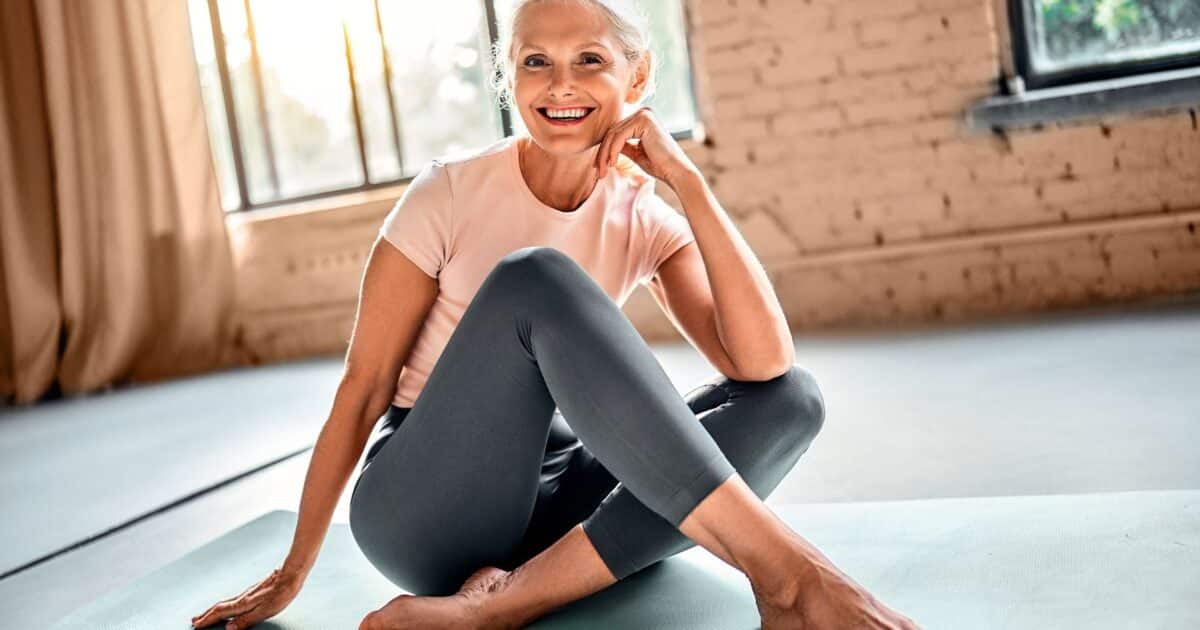
One of the most appealing aspects of Asian Pilates is its accessibility. No prior athletic background is required. The sequences are designed to be adapted to the individual, making them suitable for women who have never set foot in a gym as much as for those returning to movement after a long break.
The goal, as Ada Ooi frames it, is to create a flow between the physical, emotional, mental, and energetic dimensions of the body. This holistic vision makes the practice feel less like a workout and more like a form of active self-care — a distinction that resonates with many women over 50 who are looking for sustainable habits rather than punishing routines.
And sustainability is exactly what matters here. If you're already exploring Japanese dietary habits to support weight management, Asian Pilates fits naturally into the same philosophy: slow, intentional, rooted in tradition, and designed for the long game. The same logic applies to other belly fat strategies, like understanding which foods and drinks contribute most to abdominal weight gain — combining movement with mindful nutrition creates a genuinely coherent approach.
What a session actually looks like
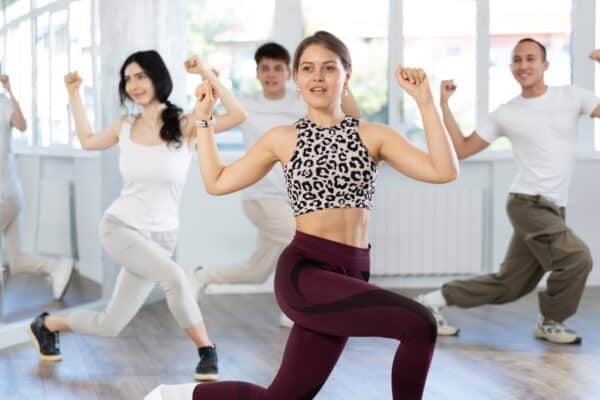
Concretely, an Asian Pilates session incorporates familiar Pilates movements — lateral bends, spinal rolls, core engagement sequences — but each is performed with an awareness of which meridian it activates. A lateral side bend isn't just a stretch for the obliques. It's a deliberate opening of the Gallbladder meridian along the flank. A slow spinal articulation from standing to forward fold isn't just a warm-up. It's an activation of the Kidney meridian running along the spine and the backs of the legs.
This layered intention doesn't complicate the movements. But it does transform the quality of attention brought to them. Practitioners report improvements that extend well beyond the physical — better sleep, reduced stress, a greater sense of bodily awareness. The rock-hard stomach is a goal, but the method produces benefits that ripple outward in every direction.
Asian Pilates may be a new name, but the intelligence behind it is ancient. And for women navigating the specific challenges of life after 50, that combination of modern movement science and traditional energetic wisdom might be exactly the approach their bodies have been waiting for.