Cranberry is emerging as one of the most underrated tools for targeting belly fat, thanks to a natural compound called resveratrol that activates fat-burning at the cellular level. New research points to a specific mechanism — mitochondrial uncoupling — that helps the body dissipate energy as heat rather than store it as fat. One tablespoon a day, the right way, may be enough to shift the equation.
Belly fat is stubborn by design. It resists standard dieting, laughs at half-hearted exercise routines, and tends to creep back the moment you ease up. But scientists are increasingly looking at metabolic levers — compounds that change how cells process energy — rather than simple calorie restriction. And cranberry keeps showing up in that conversation.
The berry is small, tart, and easy to overlook at the grocery store. But its biochemical profile is surprisingly dense, and one component in particular has researchers paying close attention.
Resveratrol in cranberries works at the mitochondrial level
Resveratrol is a polyphenol found in cranberries in fairly significant amounts. Most people associate it with red wine, but cranberry is actually one of the richer plant sources. And what makes it relevant to belly fat is not its antioxidant reputation — it's what it does inside the cell.
Mitochondrial uncoupling and thermogenesis
Mitochondria are the energy factories of every cell. Under normal conditions, they convert nutrients into usable energy. But resveratrol can trigger a process called mitochondrial uncoupling, where that energy conversion is short-circuited and calories are released as heat instead. The result is increased thermogenesis — the body burns more energy without necessarily doing more work.
A study published in a nutrition journal confirmed that resveratrol enhances mitochondrial activity in ways that parallel certain effects of caloric restriction. The body, in other words, behaves as if it's in a mild fat-burning state even when calorie intake hasn't changed dramatically.
How this targets abdominal fat specifically
The abdominal region is particularly responsive to metabolic interventions. Visceral fat — the kind that accumulates around internal organs — is metabolically active and sensitive to hormonal and thermogenic signals. By improving overall metabolic health and stimulating fat oxidation, resveratrol's effects tend to register most visibly in the midsection. Researchers note that regular intake is associated with reduced fat accumulation, particularly around the belly.
per cup of fresh cranberries — one of the lowest-calorie berry options available
Cranberry's anti-inflammatory and diuretic properties amplify the effect
Resveratrol is not the only active player here. Cranberries carry a full stack of beneficial properties that work in parallel to support a leaner appearance and better metabolic function.
Anti-inflammatory action and fat storage
Chronic, low-grade inflammation is closely linked to fat accumulation, especially around the waist. The antioxidant and anti-inflammatory compounds in cranberry help reduce this background inflammation, creating a cellular environment less prone to storing excess fat. Over time, this contributes to improved insulin sensitivity and more efficient energy use.
Diuretic effects and bloating reduction
Cranberries also act as a natural diuretic, helping the body eliminate excess water and salt. This is not fat loss in the strict sense, but the visible effect is real: reduced bloating, a flatter stomach, and a noticeably slimmer silhouette. For many people, water retention is a significant contributor to abdominal puffiness, and cranberry addresses it directly. This kind of visible result — without extreme measures — is part of why the berry fits naturally into a broader approach to body confidence, alongside choices like foundation formulas that work with your skin rather than against it.
The diuretic and anti-inflammatory effects of cranberry work best when combined with adequate hydration. Drinking enough water throughout the day supports the body’s natural elimination processes.
How to consume cranberries daily without overdoing sugar
This is where most people go wrong. Cranberry juice is the most common format, but the vast majority of commercial juices are loaded with added sugar — which directly counteracts any fat-loss benefit. The goal is to get the active compounds, not a sugar spike.
Fresh, dried, and supplement formats
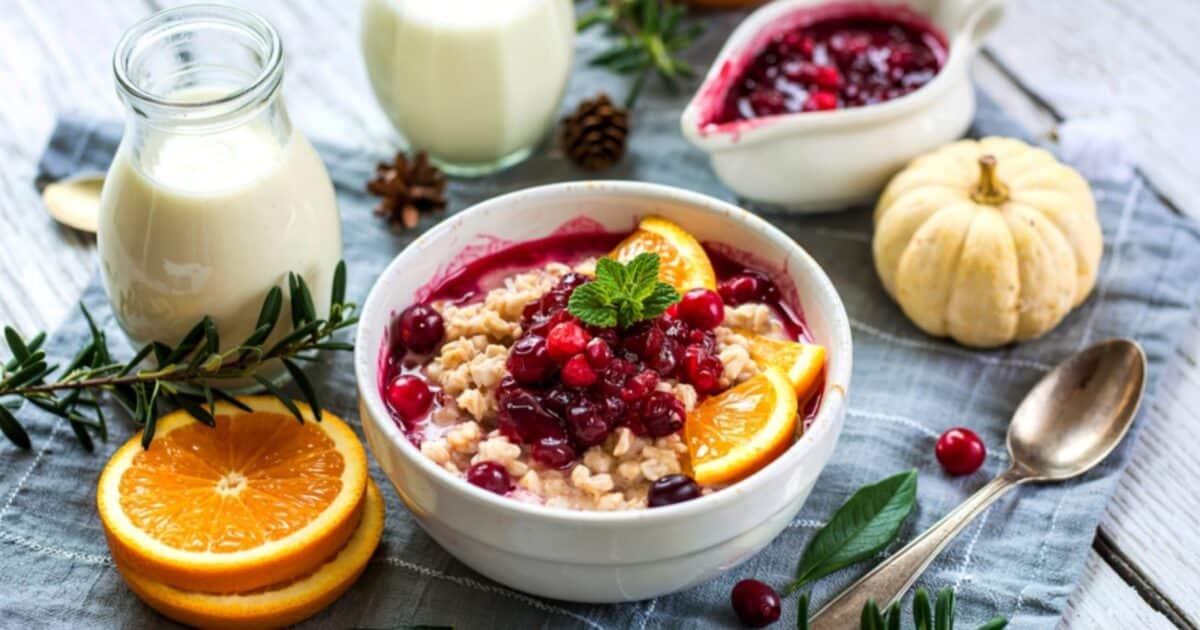
Fresh cranberries are the cleanest option. At roughly 50 calories per cup, they're easy to incorporate without disrupting any eating plan. They work well in the same contexts as raspberries or blueberries — eaten on their own, mixed into a bowl, or blended. Dried cranberries are more convenient but require label-reading: look for versions with minimal added sugar, and use them as a topping for salads, yogurt, cereals, or smoothies.
Unsweetened cranberry juice is the third option. A small daily amount — the tablespoon-scale approach referenced in the research context — delivers the active compounds without the caloric load of sweetened versions. And for those who want a more structured approach, cranberry supplements in capsule or extract form are available as a course treatment, offering concentrated polyphenol content without any sugar concern at all.
Sweetened cranberry juice products can contain as much sugar as a soft drink. Always check the label and opt for unsweetened versions to avoid offsetting the metabolic benefits.
Cranberry works best as part of a balanced lifestyle
No single food eliminates belly fat in isolation. That's not how metabolism works. But cranberry earns its place as a meaningful addition to a balanced diet because it targets a specific biological mechanism — not just general nutrition.
The approach that works is straightforward: a varied, nutrient-rich diet, consistent physical activity (not punishing, just regular), and targeted additions like cranberry that support metabolic function over time. Avoiding overly strict diets and excessively intense exercise programs matters too — the body responds better to sustainable rhythms than to extreme swings. This kind of holistic thinking about the body extends naturally to other self-care habits, whether that's the way you approach your skincare routine or the way you think about energy and inflammation.
Resveratrol's ability to mimic some effects of caloric restriction without actual deprivation is what makes cranberry genuinely interesting from a scientific standpoint. The mitochondrial uncoupling mechanism is real, studied, and specific. And a berry that costs almost nothing, contains barely 50 calories per cup, and doubles as an anti-inflammatory and diuretic is a rare case where the evidence and the practicality align.