
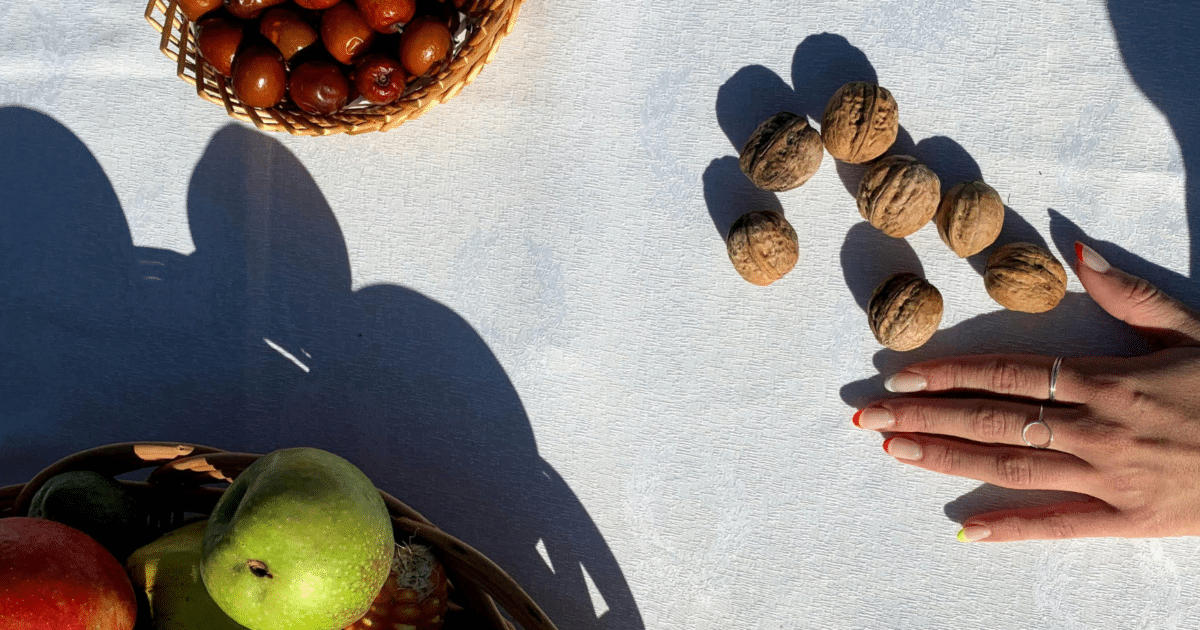
The jujube, a small Asian fruit used in traditional Chinese medicine for thousands of years, is drawing renewed attention for its scientifically confirmed properties: anticancer, antioxidant, anti-inflammatory, and neuroprotective. After 50, it may be one of the most powerful natural allies for energy, immunity, and overall health.
For centuries, Chinese doctors have quietly relied on a fruit that most Western supermarkets have never stocked. The jujube, also known as the "Chinese date," is small, wrinkled when dried, and easy to overlook. But behind its modest appearance lies a remarkable concentration of health-promoting compounds that modern research is only beginning to fully document.
This isn't folk medicine without substance. Scientists, nutritionists, and specialists in oriental medicine have all converged on the same conclusion: the jujube deserves far more attention than it currently receives, especially for people over 50 whose bodies face increasing oxidative stress, immune decline, and fatigue.
The jujube has been a cornerstone of Chinese medicine for millennia
Liliane Papin, specialist in oriental medicine and author of "La médecine taoïste", explains that the jujube has been used in traditional Chinese medicine for thousands of years. It is not simply a food. In the Chinese medical framework, it is considered a tonic that strengthens the Qi (vital energy), nourishes the blood, and supports key organs including the spleen, stomach, and lungs.
The concept of Qi may sound abstract to Western readers, but its practical effects are concrete: better energy levels, stronger immune response, and greater resilience against illness. The jujube is specifically prescribed in Chinese medicine to combat anemia, chronic fatigue, and immune weakness — three conditions that become increasingly common after middle age.
A fruit with roots in Asian therapeutic tradition
According to Papin's work, the jujube's role in Chinese herbal medicine is not decorative. It appears in classical formulas designed to restore balance after illness, support recovery, and prevent depletion. Its soothing, sedative properties also make it useful for sleep disturbances and anxiety — issues that frequently accompany hormonal changes in women over 50.
The Journal des Femmes has also highlighted the fruit's profile, noting that its benefits extend well beyond simple nutrition into genuinely therapeutic territory.
Scientifically confirmed properties that go far beyond nutrition
What makes the jujube particularly compelling is that its traditional uses have now been validated by modern science. Chercheurs chinois have confirmed a range of bioactive effects that align closely with what practitioners of oriental medicine have observed for generations.
The confirmed properties include:
- Anticancer activity — compounds in the jujube have shown the ability to inhibit tumor cell proliferation
- Antioxidant effects — protecting cells from oxidative damage, a key factor in aging and chronic disease
- Anti-inflammatory action — reducing systemic inflammation linked to cardiovascular disease, arthritis, and metabolic disorders
- Hepatoprotective function — supporting liver health and detoxification
- Antiviral properties — strengthening the body's defenses against viral infections
- Neuroprotective effects — preserving cognitive function and brain health
- Sedative qualities — promoting calm and restful sleep
Professor Nicole Tonelli and Professor François Gallouin, co-authors of "Des fruits et des graines comestibles du monde entier", have documented the jujube's nutritional and medicinal profile in detail. Their work confirms that this fruit occupies a unique position among edible plants — rich in vitamin C, polysaccharides, saponins, and flavonoids, all of which contribute to its broad spectrum of effects.
The jujube is not available in standard supermarkets. Look for it in Asian grocery stores, health food shops, or online retailers specializing in natural foods and herbal products.
Digestive and immune benefits for the body after 50
Patricia Bargis, specialist in dietetics and alternative medicine, points to the jujube's digestive benefits as particularly relevant for older adults. The fruit actively promotes intestinal transit, addressing one of the most common complaints among people over 50. A healthy gut, in turn, supports better nutrient absorption — which feeds directly into energy levels, skin quality, and immune function.
The connection between gut health and skin is well established. Just as choosing the right foundation for mature skin can make a visible difference in how skin looks from the outside, supporting the gut from within can produce equally tangible results in radiance, hydration, and resilience over time.
teaspoons of jujube powder per cup of hot water — the recommended daily dose
How to consume jujube and integrate it into daily life
The Chinese date is versatile. It can be eaten fresh, dried, made into compote, jam, fruit paste, or taken in powdered form. Each preparation has its own texture and intensity, but all deliver the fruit's core benefits.
Fresh jujube has one important caveat: the skin is not edible and should be removed before consumption. This is a detail that Bargis specifically highlights, and it matters for anyone incorporating the fresh fruit into their diet.
For most people in Western countries, the most practical option is jujube powder. The recommended preparation is straightforward: dissolve 2 to 6 teaspoons of powder in a cup of boiling water. This creates a warm drink that can be consumed daily, making it easy to maintain a consistent intake without requiring access to fresh fruit.
Finding and using jujube powder effectively
The powder form concentrates the fruit's bioactive compounds and offers a reliable, shelf-stable option. It integrates naturally into a morning wellness routine — much like the small, consistent habits that make the biggest difference in how we age. The same logic applies to beauty and skin care: regular, simple gestures compound over time. A daily cup of jujube-infused water, paired with attention to skin-supporting beauty habits for mature skin, reflects a holistic approach to looking and feeling well after 50.
The jujube is a food supplement, not a medical treatment. It does not replace any prescribed therapy. Always consult a doctor before making significant changes to your health routine, especially if you are managing a chronic condition.
The jujube's profile — anticancer, antioxidant, immune-boosting, digestive, sedative — makes it one of the most complete natural foods documented in both traditional and contemporary medicine. Its thousands of years of use in Chinese practice, now backed by laboratory research, position it as a genuinely useful addition to the diet of anyone seeking to age with more energy, clarity, and resilience. The fruit is small. Its potential, according to both ancient wisdom and modern science, is anything but.