Balayage is having a moment in 2026, but not all versions of it are welcome back. Colorist Manon Lou is sounding the alarm: the high-contrast, unblended balayage that defined 2016 is officially outdated, and the reasons are both aesthetic and practical.
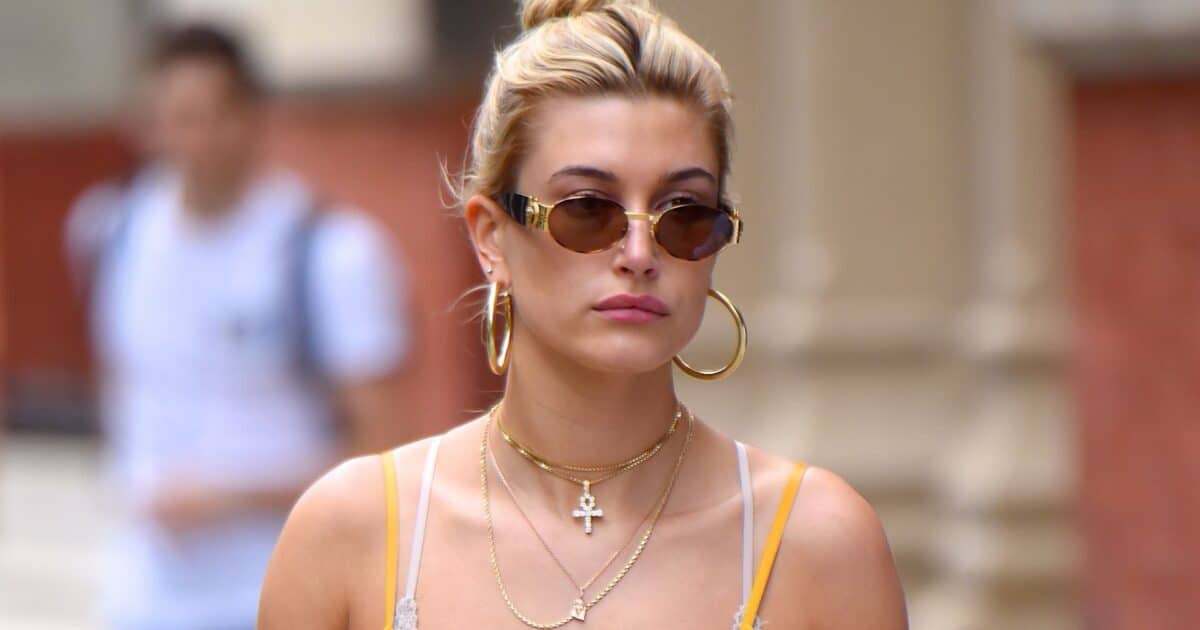
Ten years ago, the look was everywhere. Kylie Jenner, Hailey Bieber, Gigi Hadid, Taylor Swift — practically every Hollywood name was sporting that sharp contrast between dark roots and dramatically lightened lengths. The "King Kylie" era brought matte makeup, rose tie-and-dye tones, and a very specific kind of balayage that felt bold and deliberate. The whole planet followed. And now, a decade later, the beauty world is doing what it always does: revisiting, reassessing, and drawing a clear line between what deserves a comeback and what should stay archived.
Balayage 2016 is the version colorists want you to forget
Manon Lou, colorist and founder of MANON LOU ATELIER (@manonlouatelier on Instagram), published a post breaking down exactly why this particular take on balayage no longer holds up. Her verdict is direct: the 2016-style balayage, characterized by a hard contrast between the roots and the rest of the hair, creates a visual problem that only gets worse over time.
The grow-out problem no one talked about in 2016
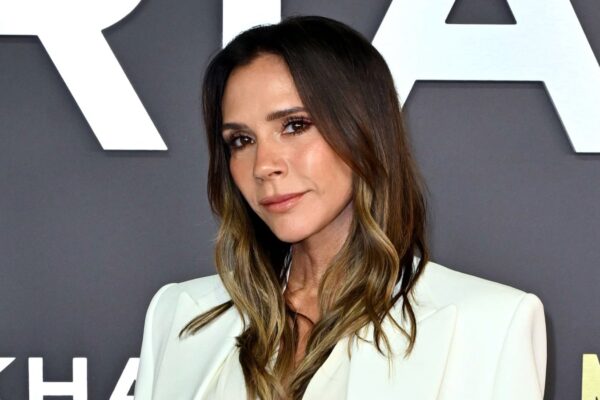
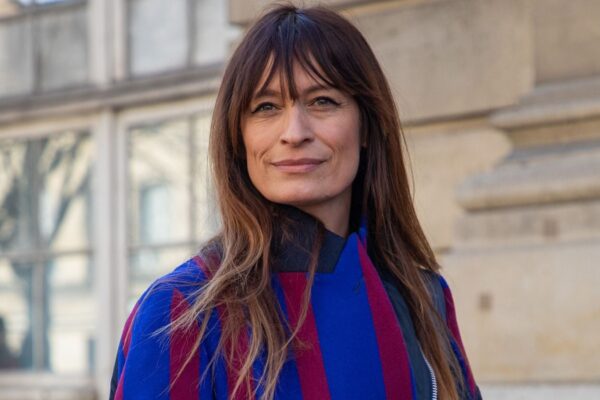
The core issue is the regrowth. When the lightened sections start too abruptly at the root, the line of demarcation becomes immediately visible as hair grows. There's no soft transition to buy you time between appointments, no gradual fade that makes the color look intentional as it evolves. What you're left with is an obvious, unwanted line that signals neglect rather than style. In 2016, that wasn't necessarily a dealbreaker, partly because the aesthetic itself leaned into contrast and edge. But in 2026, the dominant beauty language favors blended, skin-like, effortless finishes — and a hard root line reads as a technical flaw, not a creative choice.
A balayage with hard contrast at the root creates a visible demarcation line as hair grows out — making upkeep both more frequent and more obvious.
The two techniques colorists are recommending instead
Manon Lou doesn't just identify the problem — she points toward two specific alternatives that work better for both the immediate result and the long-term maintenance.
Balayage contouring: light where it actually matters
Balayage contouring is the first recommendation. The technique focuses lightening specifically on the sections that frame the face, while leaving the root of the remaining hair untouched. The logic mirrors what makeup contouring does for facial structure: strategic placement of light to sculpt and brighten. The effect is more targeted, more flattering, and considerably more natural-looking than an all-over high-contrast application. And because the root isn't uniformly lightened, the grow-out is far less jarring.
Ombré: the technique built for longevity
The second option is ombré, which works on a different principle. Rather than placing highlights at the surface of sections, ombré creates a color melt from root to tip, with the transition deliberately invisible. The result is homogeneous and smooth, and the grow-out is part of the design rather than a flaw to manage. For anyone who doesn't want to be back in the salon every six weeks chasing a hard line, this approach offers real freedom. Just as with nail care — where the longevity of a treatment matters as much as the initial result, whether you're thinking about how long a manicure actually holds up or the durability of a color technique — the maintenance cycle is a genuine consideration in any beauty investment.
- Balayage contouring brightens the face without harsh roots
- Ombré creates a seamless, grow-out-friendly transition
- Both techniques age gracefully between appointments
- Hard contrast at the root becomes visible quickly
- Demarcation line appears as hair grows
- Requires more frequent touch-ups to avoid looking unfinished
The broader 2016 beauty revival — and why balayage is the exception
The nostalgia for 2016 beauty isn't imaginary. The "King Kylie" aesthetic, with its matte foundations, overdlined lips, and rose-toned hair experiments, is genuinely cycling back into cultural conversation. Some of it translates well. The bold, graphic energy of that era feels fresh again after years of minimalist "clean girl" aesthetics. But hair color operates on different rules than a lipstick shade. You can swap a lip liner in thirty seconds. A balayage technique shapes your hair for months, and its interaction with time — specifically, how it behaves as it grows out — is a fundamental part of the result.
That's the distinction Manon Lou is drawing. The revival is real, but selective. The makeup of 2016 can come back because it's reversible and immediate. The hair coloring technique of 2016 carries a structural flaw that becomes more apparent the longer you wear it. Choosing a modern blended technique doesn't mean rejecting nostalgia — it means applying a decade's worth of colorist knowledge to get a better version of the same general aesthetic.
For anyone currently weighing a color appointment, the advice from MANON LOU ATELIER is clear: the inspiration from that era is valid, but the execution needs to be updated. Opt for contouring or ombré, discuss the grow-out behavior with your colorist before committing, and treat the transition between appointments as part of the design rather than an afterthought. The 2016 balayage had its moment. In 2026, the tools exist to do it better.