Acrylic nail tips typically last 2 to 3 weeks before requiring a fill, and the full set can stay intact for 6 to 8 weeks with proper care. But that window shrinks fast when lifestyle, maintenance habits, and application quality aren't aligned. Knowing what drives longevity — and what destroys it — makes the difference between a flawless set and a lifted, broken mess two weeks in.
Acrylic nails remain one of the most popular nail enhancement options on the market, and for good reason. They're durable, customizable, and can last significantly longer than natural nail polish. But "how long do acrylic nail tips last" is a question that doesn't have a single clean answer — it depends on a web of factors that most people underestimate when they sit down in the nail technician's chair.
The lifespan of acrylic tips isn't just about the product. It's about the skill of the application, the day-to-day wear they're subjected to, and how consistently they're maintained. Get all three right, and a set of acrylics becomes genuinely long-wearing. Get one wrong, and you'll be back at the salon far sooner than planned.
What acrylic nail tips actually are — and how they're built
Acrylic nails are a nail enhancement created by combining a liquid monomer with a powder polymer to form a hard, protective coating over the natural nail or a plastic tip extension. The chemical reaction between these two components creates a substance that can be shaped and sculpted before it hardens into a durable overlay.
The application process and its impact on durability
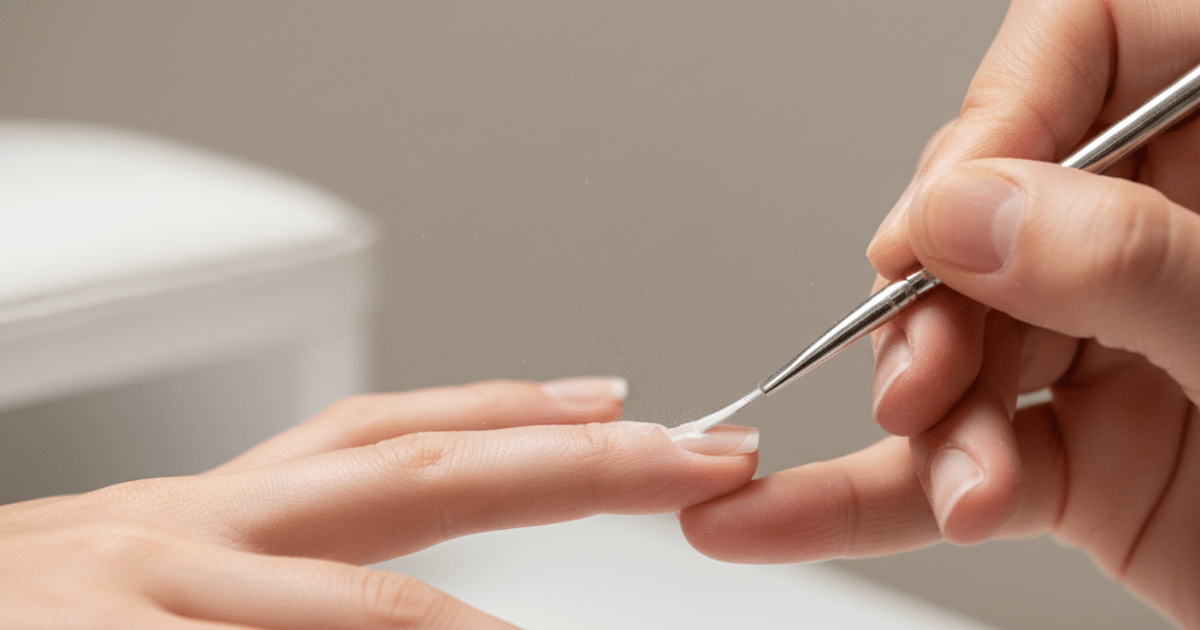
The application process is where longevity is won or lost. A technician starts by preparing the natural nail — removing oils, lightly buffing the surface, and applying a primer to maximize adhesion. A plastic tip is bonded to the free edge of the nail if length extension is needed, then the acrylic mixture is applied over the entire nail surface, shaped, and left to cure.
The quality of that preparation stage directly determines how long the acrylic nail tips will last. Inadequate buffing leaves a surface that won't bond properly. Skipping primer leads to premature lifting. Applying too thick a layer creates structural imbalance that makes the nail prone to snapping. A skilled nail technician takes time with each of these steps — and that investment in precision shows up weeks later when the set is still holding strong.
Materials matter more than most clients realize
Not all acrylic systems are equal. Professional-grade monomers and polymers produce a harder, more resilient bond than budget alternatives. The plastic tips themselves vary in thickness and flexibility — thinner tips tend to break more easily under pressure, while overly rigid ones can crack rather than flex with impact. The top coat applied at the end also plays a role: a high-quality sealant protects the surface from chipping and keeps the color locked in.
The longevity of acrylic nail tips starts at the product selection stage, not at the maintenance stage. Low-cost salon options often use inferior monomer formulations that lift faster and yellow more quickly — a trade-off worth knowing before booking based on price alone.
The factors that determine how long acrylic nail tips last
Lifestyle is the single biggest variable in the lifespan of acrylic nails. Two people can leave the same salon on the same day with identical sets — and one will still have a perfect manicure at three weeks while the other is dealing with a broken tip at ten days.
Daily habits that accelerate wear
Frequent handwashing, exposure to water, and contact with cleaning products all weaken the bond between the acrylic and the natural nail over time. Water causes the natural nail to expand and contract, which gradually compromises adhesion at the edges. People who work in healthcare, food service, or any profession requiring repeated hand washing will consistently see shorter acrylic nail tip longevity than the average.
Physical activity adds another layer of stress. High-impact sports, gardening, manual work, or anything that puts lateral pressure on the nail tips increases the risk of breakage and lifting. Typing is a surprisingly significant factor — the constant impact of fingertips against a keyboard, especially with longer nail lengths, creates repetitive stress that chips away at structural integrity over weeks.
Nail care and maintenance routines
The entretien des ongles en acrylique — the ongoing care between salon visits — is what separates a two-week lifespan from a six-week one. Applying cuticle oil daily keeps the natural nail hydrated, which reduces the expansion-contraction cycle that causes lifting. Wearing gloves when cleaning or doing dishes protects the acrylic from prolonged chemical and water exposure. Avoiding using the nails as tools (opening cans, peeling stickers, scraping surfaces) prevents the kind of sudden impact stress that snaps tips.
Cuticle oil isn’t just cosmetic — it actively extends the life of acrylic nails by keeping the natural nail plate flexible and reducing the micro-lifting that starts at the cuticle edge. Apply it twice daily for best results.
The role of natural nail health
The condition of the natural nail underneath matters significantly. Thin, brittle, or damaged natural nails provide a weaker foundation for the acrylic to bond to, which translates to faster lifting and shorter wear time. People who have previously damaged their nails through over-filing or repeated chemical exposure may find that their acrylics simply don't last as long, regardless of how well they maintain them.
Acrylic nails vs. other nail extensions — a durability comparison
The durée des ongles en acrylique holds up well when stacked against other enhancement types, but the comparison isn't straightforward.
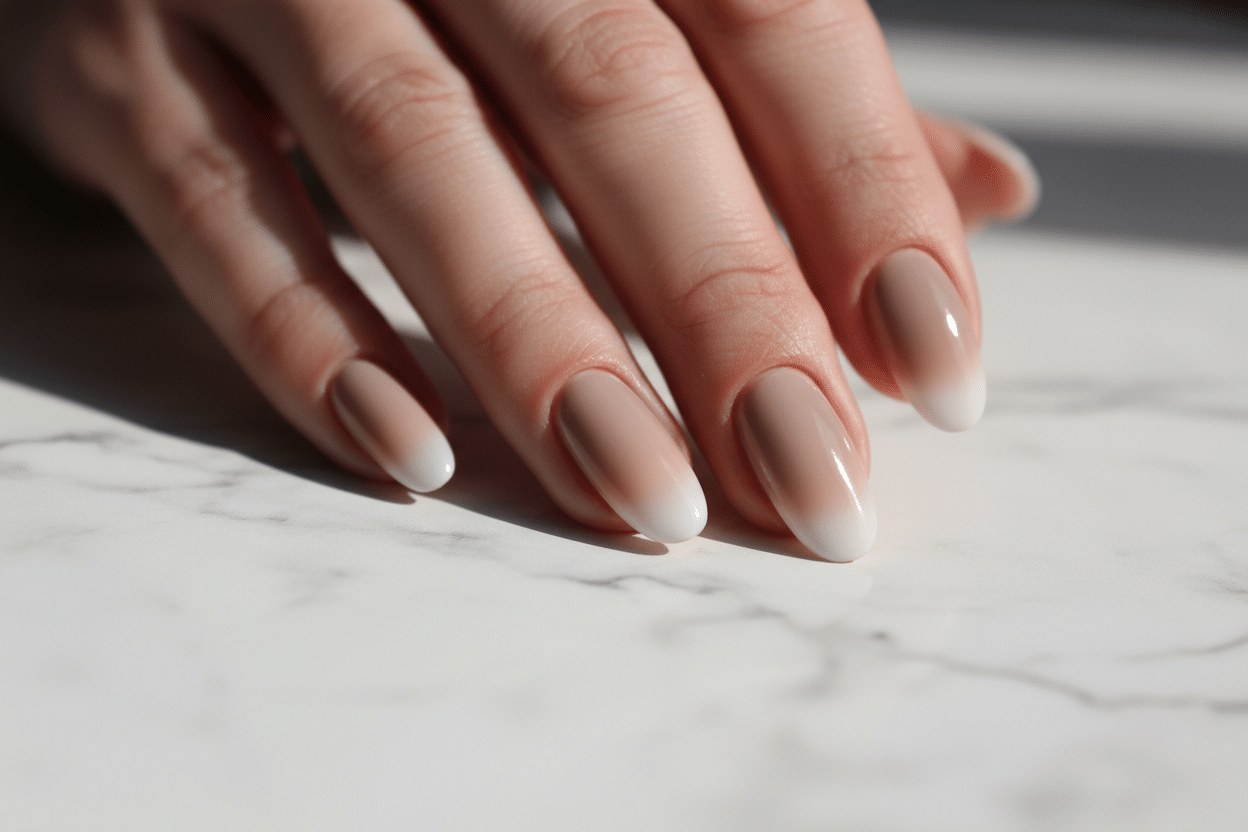
Gel nails — whether hard gel extensions or soft gel overlays — typically last 2 to 4 weeks before requiring a fill or removal. They're more flexible than acrylics, which makes them less prone to snapping under impact, but that same flexibility means they're more susceptible to peeling when the bond weakens. Gel nails also require UV or LED curing, which means the application is faster but the repair process is less forgiving.
- Longer overall lifespan (up to 6-8 weeks with fills)
- Easier to repair individual broken nails
- More structural strength for longer lengths
- More widely available at salons
- Less flexible — more prone to snapping than bending
- Stronger chemical smell during application
- Can yellow over time without UV protection
- Requires more preparation time for removal
Press-on nails sit at the opposite end of the durability spectrum. Even high-quality press-ons with strong adhesive tabs last only 5 to 14 days under normal conditions, and far less with heavy water exposure. They're a convenient short-term option, but the longévité des faux ongles simply doesn't compare to a properly applied acrylic set.
Dip powder nails are the closest competitor to acrylics in terms of durability, lasting 3 to 5 weeks on average. They're often marketed as a healthier alternative because they don't require a liquid monomer, but the longevity advantage still belongs to a well-maintained acrylic set.
Practical ways to extend the lifespan of acrylic nail tips
Maximizing the soins des ongles en acrylique doesn't require an elaborate routine — but it does require consistency. The habits that protect acrylics are simple, and most people know them in theory. The issue is execution.
Protection strategies that actually work
Gloves are non-negotiable for cleaning, dishwashing, and gardening. This isn't just about protecting the surface finish — it's about preventing the repeated water and chemical exposure that loosens the bond at the nail base. Nitrile or rubber gloves create a barrier that preserves both the acrylic and the natural nail underneath.
Keeping nails at a manageable length is another underrated strategy. Longer nails look dramatic, but they're exposed to significantly more leverage force with every impact. A nail that extends far beyond the fingertip acts like a lever arm — any pressure applied to the tip gets amplified at the base. Shorter acrylic tips not only last longer but are also less likely to cause pain or injury when they do catch on something.
The right products for ongoing care
Using a nail hardener or strengthening top coat as a weekly refresh coat extends the life of the surface finish and adds a layer of protection against chipping. Acetone-based nail polish removers should be avoided entirely — they dissolve the acrylic and cause rapid deterioration. Non-acetone removers are the only safe option for polish changes between salon visits.
Hydration matters both inside and out. Drinking adequate water and maintaining a diet sufficient in biotin and vitamins supports natural nail health, which in turn provides a better foundation for the acrylic to adhere to. This isn't a quick fix, but it's a genuine long-term factor in acrylic nail tip longevity.
When to book a fill — and when to replace the full set
Understanding the difference between a fill and a full replacement is central to managing the lifespan of acrylic nails. Most people need a fill every 2 to 3 weeks as the natural nail grows and creates a visible gap at the base. That gap isn't just aesthetic — it's a structural weak point and a potential entry point for moisture and bacteria.
Signs that a fill is overdue
The most obvious sign is the growth gap at the cuticle, which becomes visible after about two weeks. But lifting — where the acrylic separates from the natural nail at the edges — is a more urgent signal. Lifted sections trap moisture and create conditions for fungal or bacterial growth. Waiting too long to address lifting doesn't just shorten the life of the current set; it can damage the natural nail underneath and make the next application less durable.
Discoloration, surface cloudiness, or a dull finish that doesn't respond to top coat touch-ups indicates the acrylic itself is degrading and a full replacement is the better option.
When a full replacement is the right call
A full set replacement is warranted after 3 to 4 fill cycles, or roughly every 8 to 12 weeks. By that point, the acrylic has been built up multiple times and the structural integrity is compromised. Continuing to fill over an aging set leads to uneven thickness, increased risk of breakage, and a less natural appearance. Starting fresh also gives the natural nail a chance to breathe and recover — a brief break between sets, even just a few days, makes a meaningful difference in the long-term health of the nail plate.
The remplissage des ongles en acrylique schedule is ultimately what determines the overall cost and maintenance commitment of wearing acrylics. Those who stay on a consistent two-to-three-week fill schedule will always get more total wear from their sets than those who delay and end up replacing rather than refreshing. Consistency, more than any single product or technique, is what makes acrylic nail tips genuinely long-lasting.