
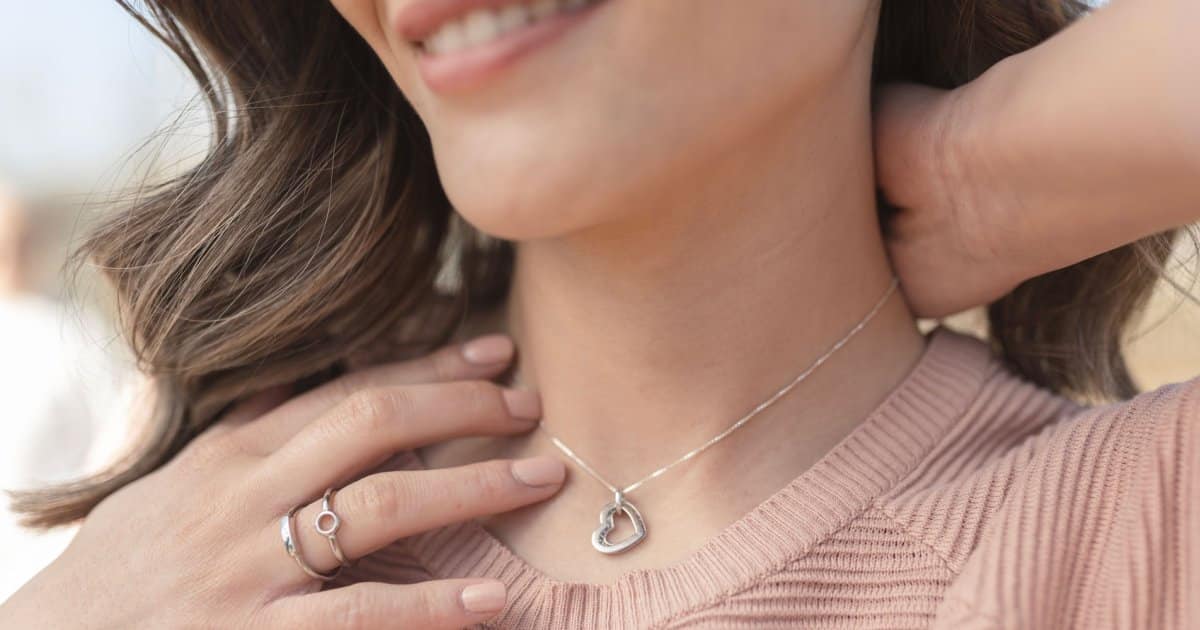
Silver jewelry is particularly vulnerable in summer. Saltwater, chlorine, sun exposure, and daily perspiration all accelerate oxidation and tarnishing. But five simple, affordable methods — most using products already at home — can clean and protect your rings, necklaces, bracelets, and chains all season long.
Summer is hard on silver jewelry. What sparkled in May can look dull and darkened by August, not from neglect, but from chemistry. Salt air, pool water, and the simple act of sweating against a ring or bracelet all trigger reactions that strip silver of its luster. The good news is that restoring and protecting your pieces doesn't require expensive products or a trip to a jeweler.
Below are five proven methods to keep your silver rings, necklaces, chains, and alliances looking their best, whether you're dealing with fresh tarnish or trying to prevent it before it starts.
Micellar water and cotton rounds: the gentlest approach
If you already use micellar water as part of your skincare routine, you have everything you need for a quick silver jewelry cleaning session. Soak a cotton round with micellar water and gently rub the surface of the piece. The formula lifts surface grime, light oxidation, and residues from sunscreen or sweat without any abrasion.
This method works especially well for delicate chains and pieces with small stones or intricate settings that wouldn't survive more aggressive treatments. It's also the most practical option for a quick refresh mid-summer, since the process takes only a few minutes and requires no rinsing.
Micellar water is also safe for most costume jewelry and gold-plated pieces, making it a versatile option for your entire jewelry collection.
Betaine citrate tablets: the deep-cleaning soak
For pieces with more significant tarnishing or blackening, a betaine citrate soak delivers noticeably stronger results. Dissolve one tablet in a glass of water, then submerge the jewelry and leave it to soak for 1 to 2 hours, depending on how oxidized the piece is. The effervescent action breaks down the layer of oxidation without scratching the metal.
Why this method outperforms simple water
Betaine citrate is a compound commonly found in pharmacies, typically sold as a digestive aid. Dissolved in water, it creates a mildly acidic solution that reacts with the silver sulfide responsible for that characteristic grey-black tarnish. Unlike harsh chemical dips sold specifically for silver, it's gentle enough not to damage the metal's surface while still being effective on stubborn discoloration.
Rinsing and drying after the soak
After the soaking period, rinse the jewelry thoroughly under clean water and pat it dry with a soft cloth. Leaving any residue on the surface can attract new tarnish faster. This method is particularly effective for silver alliances and rings that have turned noticeably dark after weeks of summer wear.
Vodka: an unexpected ally for silver and diamonds
This one surprises people, but vodka genuinely works as a cleaning agent for silver jewelry. The alcohol content cuts through oils, sunscreen residue, and light oxidation. Dampen a soft cloth very lightly with vodka, then rub the piece gently. It's also effective on diamond-set silver pieces, where the alcohol restores brilliance to the stones.
The reason vodka gets the nod over white vinegar — another common household cleaning agent — is straightforward: vinegar's odor is far more aggressive and unpleasant to work with. Vodka, being nearly odorless, makes the whole process far more tolerable. Results are comparable, but the experience is considerably better.
Toothpaste and a soft toothbrush: the classic method
Toothpaste is one of the oldest tricks for cleaning silver jewelry, and it still holds up. Apply a small amount directly to a soft-bristled toothbrush, scrub the ring or bracelet gently, then rinse abundantly under running water. Finish by buffing the piece dry with a chamois leather cloth, which will bring out the shine more effectively than a standard towel.
This method works best on solid silver pieces without stones or porous materials, since the mild abrasives in toothpaste can get trapped in settings or damage softer gems. For plain silver bands, chains, or bracelets, it delivers excellent results and leaves pieces looking genuinely polished.
Avoid using toothpaste on silver jewelry set with pearls, opals, or other porous stones — the abrasive texture can cause damage that’s difficult to reverse.
Transparent nail polish: the preventive shield
The most underused approach is also the most forward-thinking. Before wearing a piece, apply one thin coat of transparent nail polish to the back of rings or the clasp areas of necklaces. This creates a physical barrier between the metal and your skin, blocking the moisture and sweat that trigger silver oxidation in the first place.
This technique is especially useful for fashion jewelry and pieces that aren't pure silver, where the base metal underneath reacts even more readily with perspiration and humidity. If you're already thinking about your striped manicure for the season, adding a quick coat to your rings at the same time takes seconds and extends the life of your jewelry significantly.
The nail polish barrier does wear off over time and will need reapplication every few weeks, but it genuinely slows down tarnishing on pieces worn daily. Considering how long nail polish takes to dry is minimal, the effort-to-benefit ratio here is hard to beat.
soaking time recommended for betaine citrate silver jewelry cleaning
The real enemy is waiting too long
All five methods are most effective when used regularly rather than as emergency interventions. Once silver jewelry has developed a deep, uniform tarnish from repeated exposure to saltwater, chlorine, and heat, no household method will fully restore the original finish without multiple treatments.
The logic of prevention applies directly here. Wiping down a ring with a micellar-soaked cotton round after a day at the beach takes thirty seconds. Reversing two months of accumulated oxidation takes considerably longer and delivers less satisfying results. Treating your jewelry the same way you'd treat any other summer accessory — with regular, light maintenance rather than periodic deep cleaning — keeps pieces looking the way they should throughout the season.
Match the method to the level of tarnish: micellar water and vodka for light maintenance, betaine citrate for deeper oxidation, toothpaste for solid pieces needing a real polish, and transparent nail polish as an ongoing preventive layer.